When You Can’t Be There: Making Ash Scatterings Personal Through the Power of Place
Share
After a home funeral filled with care, ritual, and family presence, cremation often brings an unexpected pause. For some, cremation ashes — also called cremains — rest quietly on mantels or in closets for weeks, months, or even years. They are a sacred presence that also signals unfinished goodbyes.
We don’t talk enough about what happens after the home funeral, after the cremation. Families are often left wondering what to do with ashes or how much it costs to scatter the ashes. How do we make the final act of scattering cremains as meaningful as the care that came before?
And what if the family can’t be present for that last step?
These are the questions that gave rise to Farmstead Scattering Garden, a fifth-generation working farm in northwestern Pennsylvania that offers a mail-in scattering service — one that honors both the individual and the land. And while unattended scatterings might sound impersonal at first, the truth is: they don’t have to be.
The Ritual of Place
There is something profound about choosing a final resting place that is alive.
Not static like a shelf, not sterile like an urn — but dynamic, rooted, growing. A place where the rhythms of nature continue. A place that gives back.
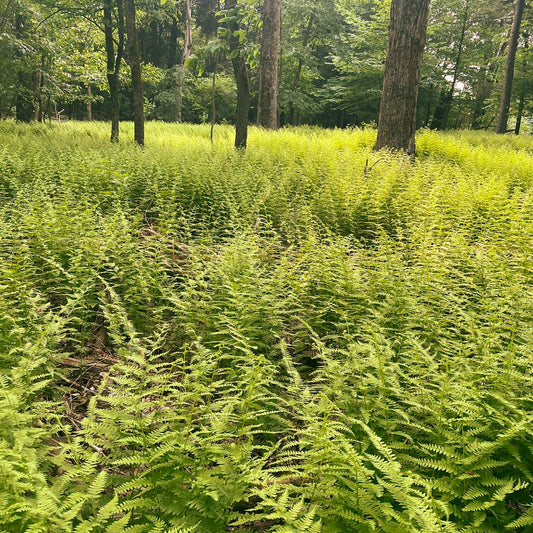
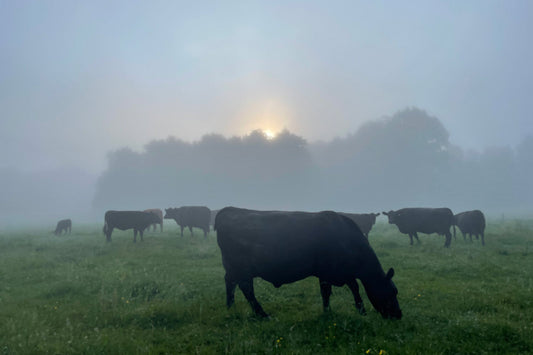
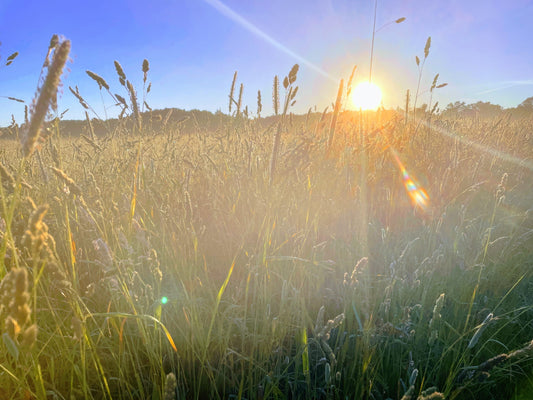
At our farm, we see scattering as not just the end of something, but a return — to land, to seasons, to memory. Some people request wildflower patches where deer wander at dawn. Others want open pasture under the watch of red-tailed hawks. One family asked that their loved one be scattered where the sunrise touches the hill first in spring. These are not just places on a map; they are symbols, stories, and metaphors.
Making It Personal — Even From Afar
When families can’t travel — due to distance, cost, disability, or grief — we still believe they deserve a meaningful scattering experience. That’s why we build personal touches into the options for every unattended scattering of cremation ashes we do.
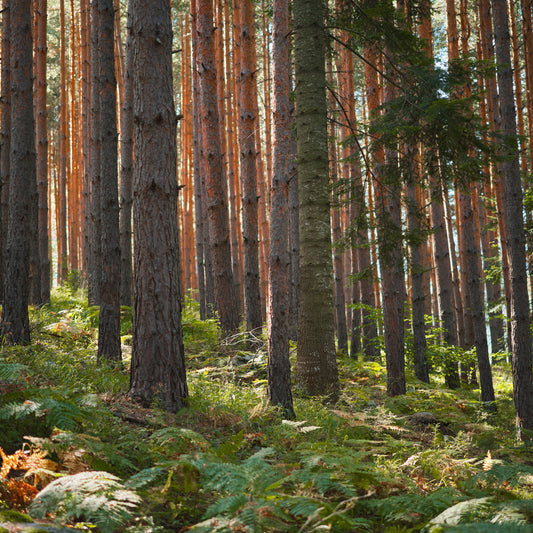
- Families choose a spot on the farm from several options, each with its own ecosystem, symbolism, and view.
- We can time the scattering intentionally — sometimes on a birthday, sometimes by season, sometimes at dawn or dusk, depending on the family’s wishes.
- Photos and a map of the scattering site are shared afterward, often accompanied by a short reflection or story of the day — the breeze that stirred, the cow that wandered over curiously, the way the wildflowers moved.
It’s not presence, exactly. But it is connection. It’s bearing witness in a different way.
A Different Kind of Closure
For some, releasing cremains is a ritual act of letting go. For others, it’s a final offering — a way to return someone to nature, to earth, to movement.
At Farmstead Scattering Garden, we’ve noticed that place helps families heal. There’s comfort in knowing your loved one rests in a field that will be harvested, or in woods that change with the seasons. There’s peace in choosing land that is loved and worked, where the rhythms of life continue. It’s not a cemetery. It’s a continuation.
Ash scattering may be the gentle answer to the question so many families ask: what to do with human ashes?
A Note for Home Funeral Guides and Death Doulas
We know many of you walk alongside families through the most intimate and vulnerable parts of death care. If you sense that a family is overwhelmed by what to do with ashes or unsure how to create meaning, let them know they aren’t alone.
Scattering cremation ashes, when done with care and intention, can be a beautiful final chapter. Even from afar. Especially when place — real, living, meaningful place — is part of the story.