A Professional’s Guide to Scattering Ashes
Scattering ashes is a meaningful way to celebrate a person’s life. For many, this kind of ceremony can bring a sense of peace and closure. To help you determine if scattering ashes is the best way for you to commemorate a special person in your life, Farmstead Scattering Garden outlines the foundational elements of these meaningful ceremonies.

What is Ash Scattering?
Ash scattering is the act of scattering the ashes, also called cremains, of a deceased person or pet. There are a variety of ash scattering ceremonies that help provide closure for family and friends while honoring and celebrating the life of a loved one who has passed away.

The Main Methods of Scattering Ashes
There are many approaches to scattering ashes, from casting them out into the ocean to spreading them through a bed of wildflowers. If you’re considering what type of ash scattering ceremony would fit your loved one best, the most popular options often include:
1. Aerial/Sky Ceremonies
During an aerial/sky scattering ceremony, a person releases a loved one’s ashes in the sky, typically from a small plane or air balloon, or even while skydiving. For people who loved flying or a particular location, this can be a visually powerful way to reconnect them with the land below.
There is also a variation of a sky ceremony where people incorporate ashes into a firework. When ignited, the ashes scatter in a display of light and sound.
Aerial/sky ceremonies are typically more expensive than those on land. But they can make for an unforgettable celebration of life. That said, some people may feel uncomfortable with the fact that their loved one's ashes are not all in one place. If that’s the case, there are many other options to choose from.
2. Casting Ceremonies
During a casting ceremony, a person tosses and disperses ashes into the air, allowing them to fall to the ground around them. When most people envision scattering ashes, this is the method they typically envision.
Many people appreciate the symbolism of this type of ceremony, as it has a physical and visual gesture of letting go. If you’re the one scattering the ashes, it can be helpful to have some guidance so you’re not overwhelmed come the day of the ceremony. We recommend:
- Scattering ashes no higher than your waistline to avoid wind.
- Standing upwind so the breeze carries the ashes away rather than toward you.
- Taking your time
- There are often a lot more ashes than people think
- Don’t pour out the whole container at once
- Checking your state’s ash scattering laws
3. Raking Ceremonies
During a raking ceremony, a person scatters ashes on soil or sand and gently spreads and reincorporates them into the earth with a rake. This type of ceremony can be an excellent choice for those who want an intimate, hands-on experience that directly reconnects their loved one with the earth. Many people will rake ashes around a tree they planted during the ceremony.
4. Ringing Ceremonies
During a ringing ceremony, loved ones of the deceased will stand in a circle, sometimes around an important or beautiful object, such as a tree, landmark, or rock, and scatter the ashes in a circle. Once they form the ring of ashes, friends and family can step into the circle to share memories, give a reading, or pray silently.
It’s a powerful ceremony, but it’s not for everybody. Some people think it has too much of a ritualistic nature. That said, it can allow people to feel connected, both to one another and to the person who has passed away.
5. Trenching/Beaching Ceremony
During a trenching/beaching ceremony, a person digs a small trench or groove in the soil or sand and spreads the ashes along this trench. Once the ashes are in place, the trench is covered, completing the burial.
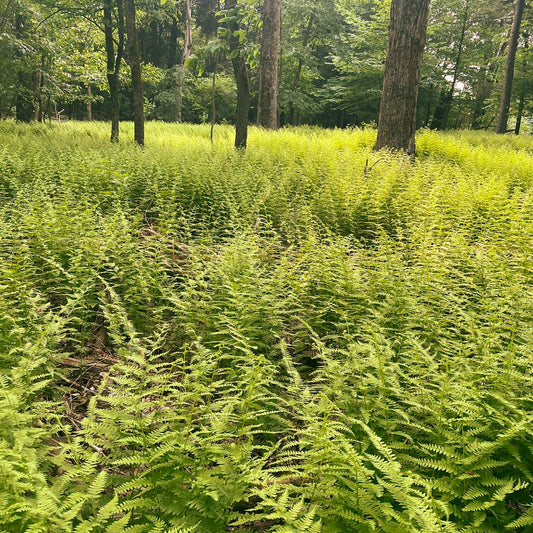
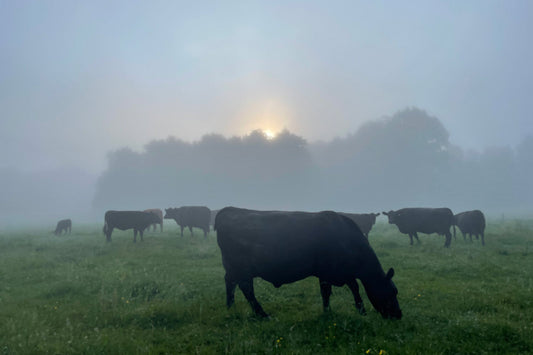
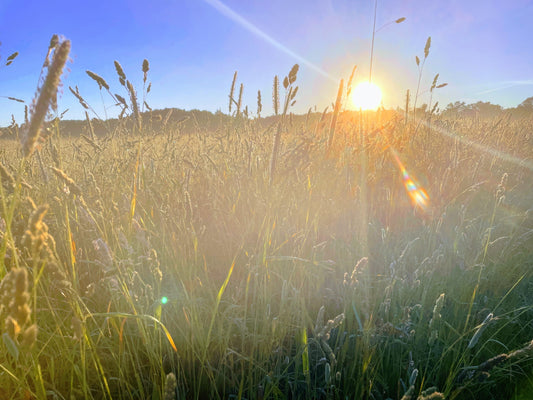
This method is a great choice for individuals who want to keep the remains in one place while still allowing them to reincorporate into the earth. A trenching/beaching ceremony is particularly well-suited for natural settings such as pastures, wildflower patches, and beaches.
There is also a slight variation of this ceremony, called an ash ring ceremony, which should not be confused with a ringing ceremony. In this ceremony, a person digs a circular groove, rather than a straight line, and scatters the ashes in the outline of the ring to symbolize eternity, life, and unity. Many people adorn the ring with flowers, stones, or other meaningful objects.
6. Water Ceremony
During a water ceremony, a person scatters the ashes of a loved one into a body of water, such as a lake, river, or ocean. Water ceremonies are deeply symbolic, representing the flow of life and a return to nature. Most people scatter ashes on the surface of the water from the shore or a boat. However, investing in biodegradable urns that slowly dissolve in the water has become a recent trend.

Where To Scatter Ashes
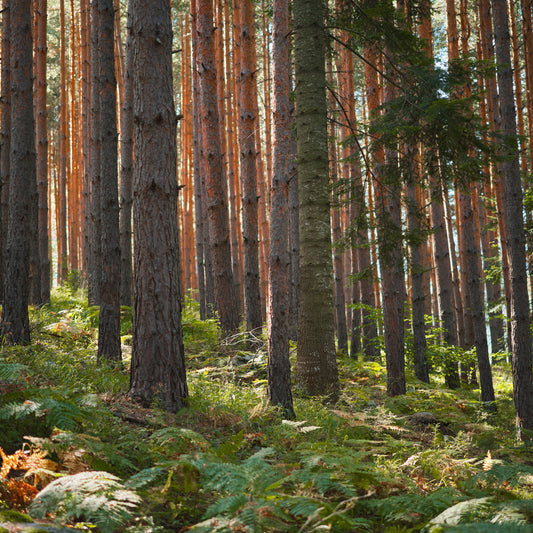
When it comes to the location of your ceremony, you’ll want to consider an area that reminds you of your loved one or a place to which they were deeply connected. When a person has inextricably linked themselves to a place, the answer can be simple. For example, picture an avid gardener’s ashes being spread among a bed of wildflowers or an arborist’s ashes raked around a mighty oak in the forest. However, sometimes it’s as easy as knowing that your deceased loved one would appreciate the beauty, elegance, and serenity of a specific location. All that said, there are additional considerations when selecting a location:
- Legality: Ensure you’re permitted to scatter ashes in your preferred location, as there are places where scattering is prohibited or that have specific requirements. For instance, the United States Environmental Protection Agency regulations regarding the scattering of ashes at sea. In just about every state, you need permission to scatter on private land. However, few states have rules beyond that. Always be respectful and considerate of public spaces, and request permission before entering national parks. For example, Joshua Tree National Park requires a permit to scatter ashes.
- Date/Season: Every season has its unique elements of beauty. Think of a time of year that your loved one enjoyed most. As long as the weather is safe, you can scatter ashes year-round at just about any time.
- The Experience: Many ash scattering ceremonies incorporate music, readings, eulogies, prayers, and other meaningful elements. Take some time to plan the experience so that you feel confident that it honors your loved one.
- Your Time: Scattering ashes is not something you want to rush, especially if you are also managing travel, family dynamics, or a full calendar of responsibilities. Allow yourself time to plan, gather the necessary resources, and select a date that doesn't leave you feeling rushed or emotionally drained. If timing is complicated, a mail-in scattering service can offer a respectful option that still provides a clear sense of place and closure.

Photo Credit: USPS
What Is A Mail-In Ash Scattering Service?
A mail-in ash scattering service is a service that allows an individual or a family to have a loved one’s ashes scattered in a meaningful setting without needing to be physically present. Accordingly, instead of coordinating travel, permissions, and timing yourself, you can securely mail the cremains to a dedicated scattering provider who will carry out the ceremony on your behalf. Providers such as Farmstead Scattering Garden designed these services for individuals who value simplicity, privacy, or geographic distance, while still seeking a meaningful location-based farewell tied to nature.
In most cases, mail-in services include thoughtful documentation such as photographs, written confirmation, or a location map so families know exactly where the scattering took place. This approach can be especially helpful when schedules are limited, family members are spread across different regions, or emotions make planning feel overwhelming. While the ceremony is unattended, it remains intentional, respectful, and grounded in the same care that families would expect if they were present themselves.

Why People Choose Mail-In Scattering Services
Choosing how to scatter ashes is not only a question of location or ceremony style, but also of personal capacity, circumstance, and emotional readiness. While some families feel called to participate directly, others find that distance, grief, or logistics make that approach difficult. In those cases, a mail-in ash scattering provider can offer a compassionate, practical alternative for families seeking a respectful, place-based farewell, which may include people who:
1. Have unexpectedly become responsible for a loved one’s ashes
A distant relative, executor, or adult grandchild may inherit cremated remains without clear instructions and feel unprepared to make a decision. A mail-in scattering service provides a respectful solution when the responsibility feels sudden or unclear, yet still deserves care and attention.
2. Feel too emotionally overwhelmed to conduct a scattering themselves
For some people, the emotional weight of handling and scattering ashes themselves is simply too heavy. A mail-in provider allows families to move forward without forcing themselves through an experience they are not emotionally ready to manage.
3. Are managing multiple urns of family ashes accumulated over time
It is not uncommon for families to have several sets of ashes stored for years, sometimes decades. Mail-in scattering services offer a practical and dignified way to address this situation, allowing for a responsible and respectful approach.
4. Face travel, mobility, or health-related limitations
Distance, age, illness, or mobility challenges can make traveling to a meaningful location unrealistic or unsafe. A mail-in option ensures that these limitations do not prevent a loved one from being laid to rest in a thoughtful and intentional setting.
5. Are unable to coordinate schedules across dispersed family members
Coordinating a ceremony that works for multiple family members can be challenging, especially when family members live in different states or countries. Mail-in scattering removes logistical barriers while still allowing families to participate emotionally on their own terms.
6. Prefer a private, simple, and unattended scattering experience
Some families prefer a quiet, unattended scattering without an audience or formal ceremony. Mail-in services appeal to those who value discretion, simplicity, and a peaceful process that avoids public or ceremonial pressure.

A Meaningful Send Off
Scattering your loved one's ashes is a meaningful way to celebrate and commemorate their life. If you’re interested in learn more about Farmstead Scattering Garden, browse our services page or reach out to learn more today.